
Health trends for the past several years have been all about protein—protein waters, protein chips, and protein-packed breakfast bowls have dominated the market. Today, Southern California is turning its attention to fiber. The trend, called “fibermaxxing,” encourages the consumption of foods, drinks, and snacks that are exceptionally high in dietary fiber.
Fiber, once largely ignored, is moving into the spotlight. The push is driven by heightened awareness of gut health, digestive wellness, and the microbiome. Increasing colon cancer rates among younger adults have also brought colon health into sharper focus.
Southern Californians are responding with curiosity and enthusiasm, creating demand for fiber-rich products across restaurants, specialty food shops, and grocery aisles.
The Rise of Fibermaxxing
Southern California has always been ahead in wellness trends, and fibermaxxing is no exception. This movement focuses on increasing daily fiber intake through intentionally formulated foods and drinks. Unlike protein, fiber interacts with the digestive system, supporting gut health, promoting satiety, and stabilizing blood sugar.
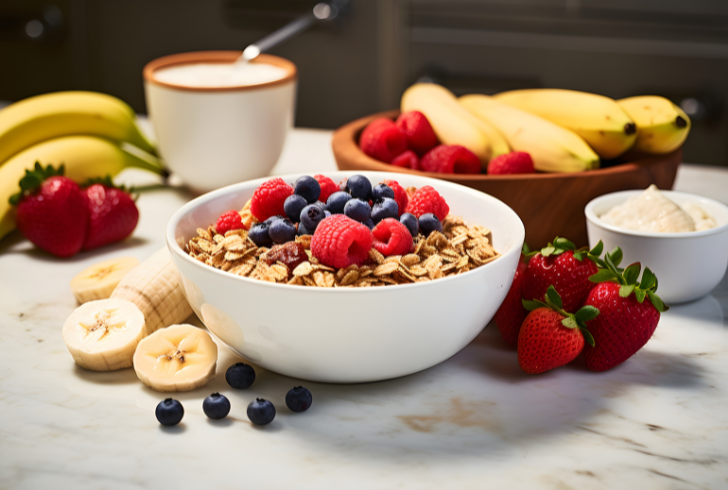
Freepik | Fibermaxxing is the latest wellness wave, prioritizing digestive health and satiety through high-fiber formulations.
Restaurants and food brands are responding with inventive menus. Ingredients like chickpeas, artichoke hearts, barley, Brussels sprouts, and hemp seeds are becoming staples in high-fiber dishes.
Even traditionally simple salads and bowls are getting a fiber upgrade, with some servings delivering 15 grams or more—matching or exceeding the daily fiber recommendation for most Americans.
Challenges in Sourcing Fiber Ingredients
Adding fiber to products is complicated. Chicory root, a common source of inulin fiber, is mostly grown in Europe, and limited U.S. production has made the supply tight. Psyllium husk, harvested from Plantago ovata seeds, comes primarily from India, with crop variability affecting availability and pricing.
Formulation also matters. Fiber can thicken drinks, gel baked goods, or affect texture. Food scientists invest heavily in research to ensure products are high in fiber yet enjoyable to eat.
Fiber in Southern California Restaurants
Restaurants are embracing fibermaxxing with bowls and salads that combine quinoa, chickpeas, roasted edamame, barley, artichokes, and shredded Brussels sprouts—often exceeding 15 grams per serving.
Notable spots include:
- M Cafe (Melrose) – Macrobiotic dishes with whole grains, beans, and vegetables.
- True Food Kitchen (various locations) – Seasonal salads and bowls packed with kale and quinoa.
- Sweetgreen (various locations) – Customizable salads and bowls with chickpeas, broccoli, and kale.
- Maple Meat Block Company (Culver City) – Protein meals with fiber sides.
- Kreation Kafe – Organic salads rich in fiber.
Fiber in Packaged Foods
The fibermaxxing trend extends to packaged products. Granolas with oats, quinoa flakes, psyllium husk, and dates are popular at farmers’ markets. Bakeries are creating bran muffins with wheat and oat bran plus flaxseed, while functional drinks now feature inulin and chicory root, offering up to 9 grams per serving.
Freepik | Maintaining quality in fiber-rich products requires advanced formulation to prevent texture degradation.
Technical Considerations in Fiber Products
Fiber affects texture, viscosity, and shelf life. Soluble and insoluble fibers behave differently in drinks and baked goods, requiring careful formulation and R&D oversight.
Supply Chain and Market Dynamics
European chicory and Indian psyllium are core fiber sources, creating vulnerability in supply and pricing. Brands are exploring alternative fibers and blends to maintain product quality.
Southern California is leading the way in fibermaxxing, showing that fiber can be both a taste and a health feature, rather than a minor nutrition detail.