
For years, people talked about food in terms of prices, diets, and big farms. That view misses the bigger picture. Food is not just something we buy and eat. It is one of the largest small business engines in the world.
Behind every jar of sauce and every fresh loaf of bread sits a network of small operators. Farmers, processors, truck drivers, market vendors, and restaurant owners form a living system. When they grow, local economies grow with them. When they struggle, entire communities feel the hit.
In the United Kingdom, this reality is clear. The Food and Drink Federation reported in February 2026 that 50% of small and medium food manufacturers saw business conditions worsen in late 2025. Production costs rose by 5.3% for smaller firms, driven by higher energy bills, ingredients, labour, and new taxes.
Yet ambition remains strong. Around 40% of these firms want to expand into foreign markets. A similar share plan to invest in machinery in 2026. That matters because 97% of UK food and drink manufacturers are small or medium-sized businesses. They are not side players. They are the backbone of the industry.
Cutting Waste & Creating Wealth
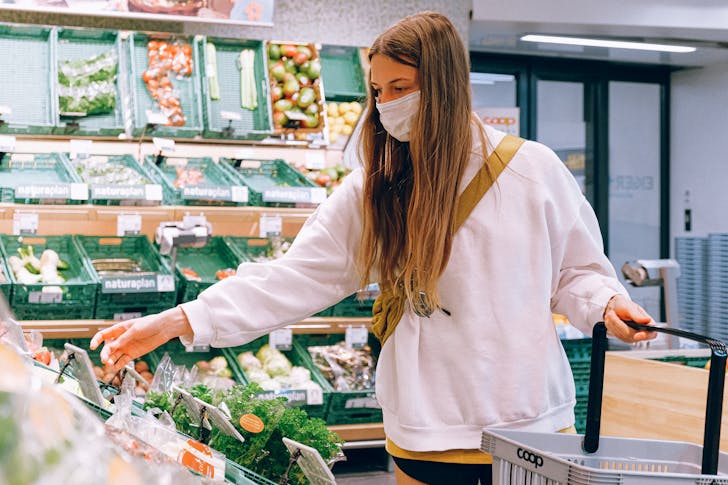
Shvets / Pexels / Across the world, smart food entrepreneurs are turning problems into profits.
In India, Dela Grain Foods Pvt Ltd built its business around reducing waste. The country produces 78.2 million tonnes of food waste each year, according to the Food Waste Index Report 2024. That waste hides massive lost income.
Dela works directly with farmers and buys produce in bulk. It cuts out middlemen and offers fair pricing. Imperfect tomatoes and surplus crops that once rotted in fields now become ketchup, sauces, and pickles. Farmers gain steady demand. The company gains a reliable supply. Waste turns into revenue.
This approach changes how people see food waste. It is no longer just a disposal problem. It becomes a source of new products and fresh income. That shift creates stability in rural areas and strengthens small enterprises at the same time.
In China, a small-town idea sparked major growth. In Shatan village in Taizhou, a cafe owner teamed up with a young bun seller. They paired coffee with traditional buns and ran joint promotions. Sales at the cafe jumped three to four times.
The bun shop expanded from three flavors to more than a dozen. One short video about the shop drew over 10 million views. The shop now sells more than 10,000 buns a day and generates nearly 10 million yuan a year. The owner invested over 500,000 yuan in a modern workshop and employs more than 20 local residents.
Fixing the Gaps in the System
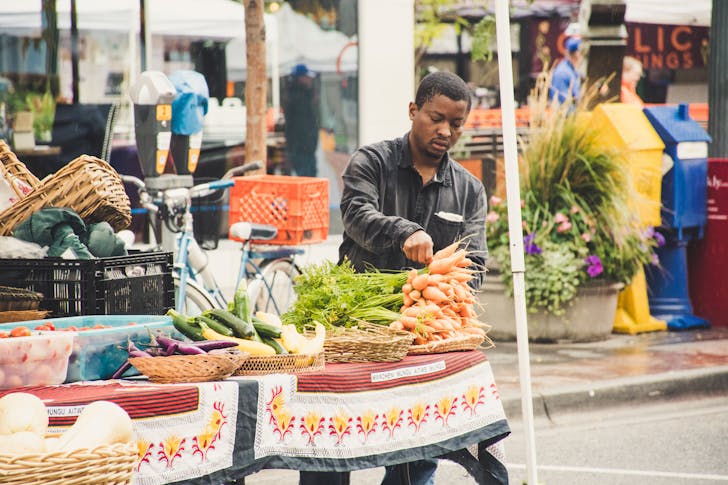
Brett / Pexels / In Nigeria, the informal protein market shows both strength and weakness. More than 5 million suya vendors operate nationwide. The market is worth over N200 billion each year.
It feeds millions and supports families across the country.
Still, the system leaks value. Nigeria loses over 45% of perishable food annually. Fewer than 1,000 refrigerated trucks serve a market that moves 11 million tonnes of perishables each year. Meat often spoils before it reaches customers.
New cold storage companies are changing that story. ColdHubs runs 58 solar-powered cold rooms across 28 states. It extends the shelf life of meat from 2 days to 21 days. Ecotutu offers pay-as-you-chill storage that cuts post-harvest losses by up to 85%. When the temperature is controlled, the value stays intact.
In the Philippines, government support proved how small upgrades can spark big growth. Gift of Grace Food Manufacturing Corporation in Baguio received P1.42 million in assistance from the Department of Science and Technology. The support funded stainless tables, a chiller, and better packaging tools.
Production jumped by 350%. Gross sales rose by 268.75%. The company expanded from kimchi to tofu, rice coffee with malunggay, frozen vegetables, and more. It now employs 27 direct workers and 25 indirect workers, while supporting six local farmers.